Sun Lakes Water Heater Flush Tackles Hard Water Buildup
Hard water is one of the sneakiest problems a homeowner can deal with. It doesn't announce itself - it just quietly goes to work on your water heater, your faucets, and your pipes. By the time you notice a drip or a drop in hot water pressure, the buildup has usually been going on for a while.
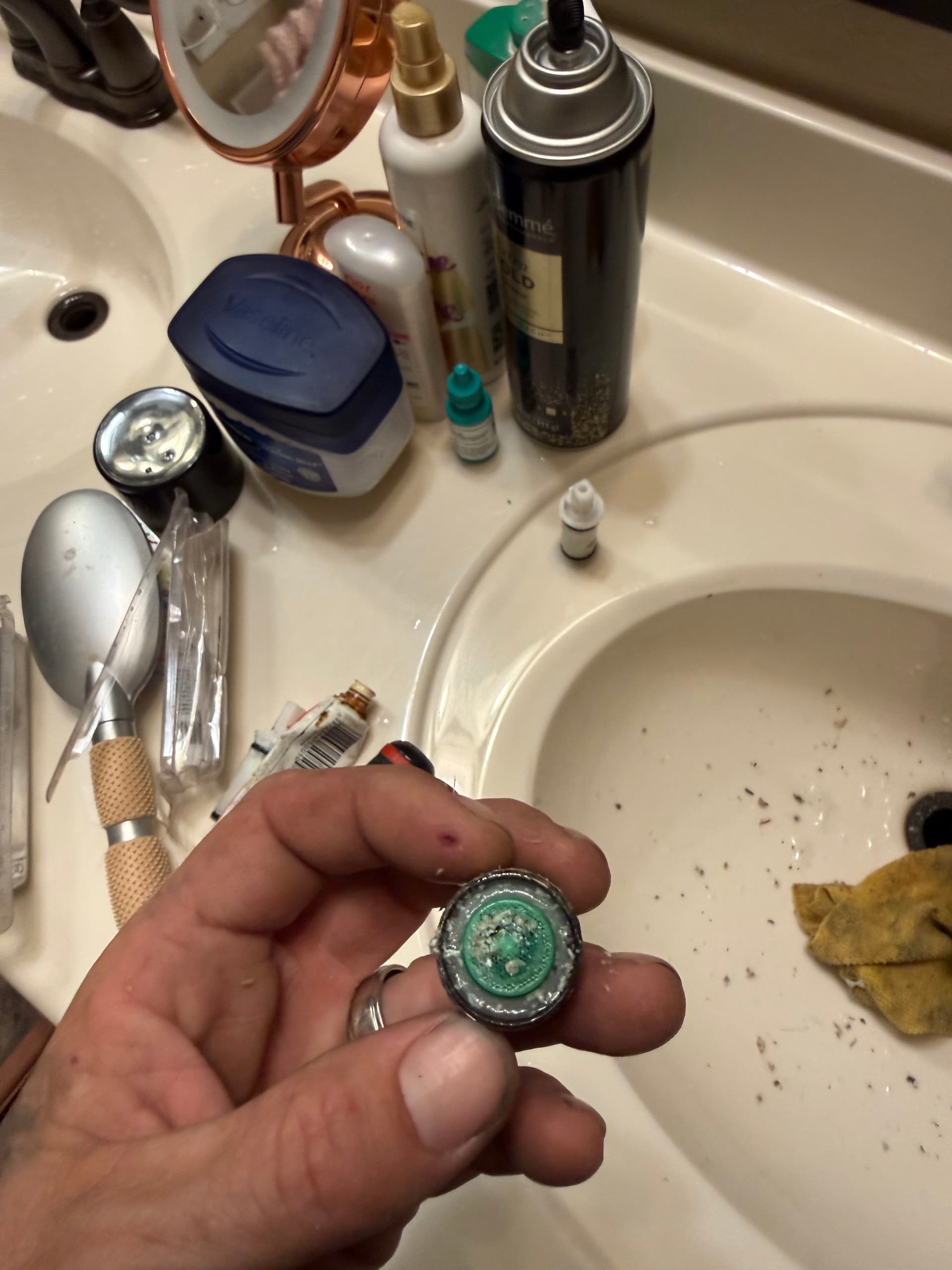
That's exactly what we were up against at this Sun Lakes home. The hard water here is no joke, and the calcium deposits that come with it can coat the inside of a water heater tank over time. That sediment sits at the bottom, forces the unit to work harder, and eats away at efficiency - and eventually, the hardware itself. The faucet cartridge we pulled tells that story pretty clearly. The green and white crust packed into it is classic hard water damage.
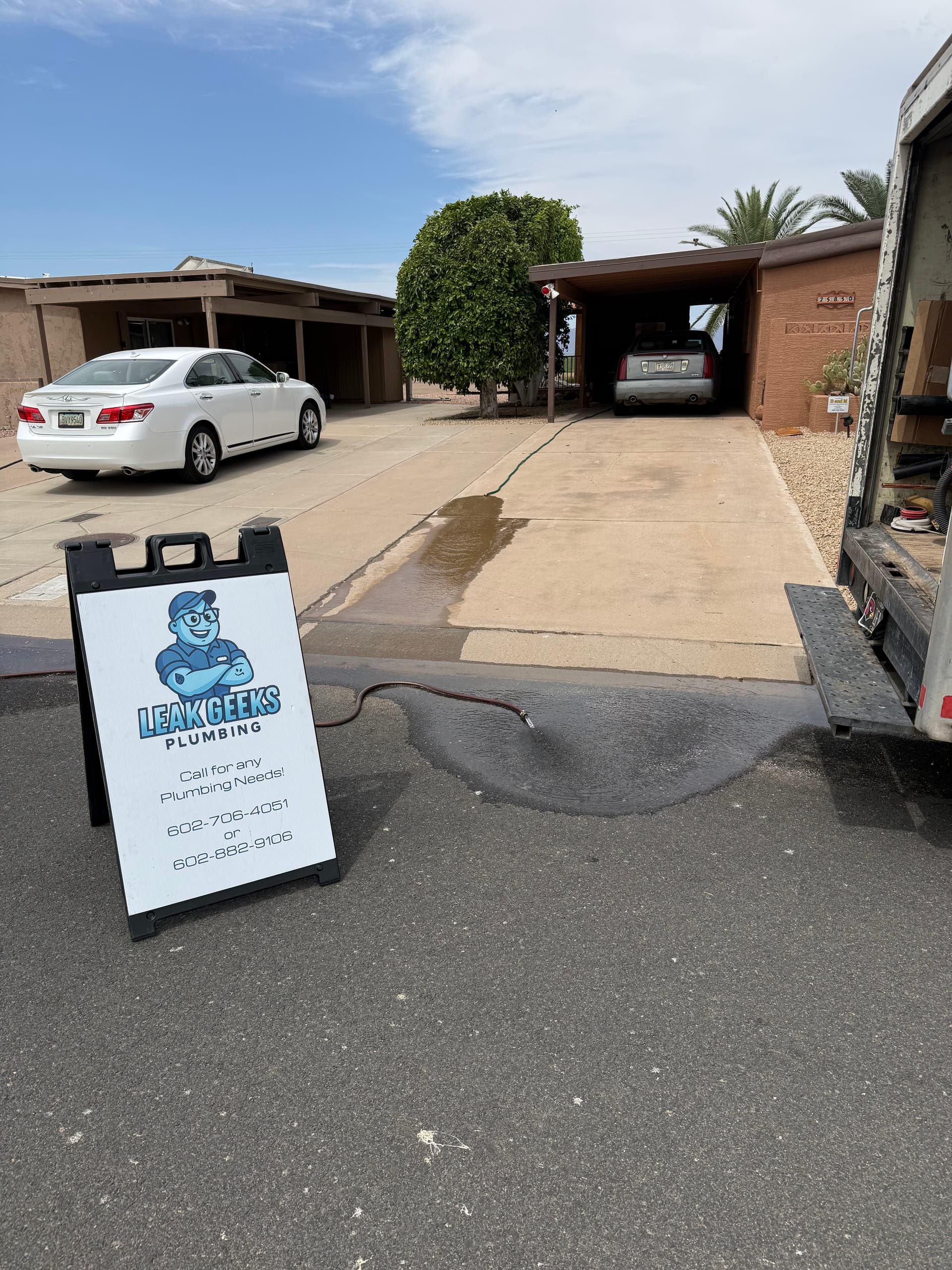
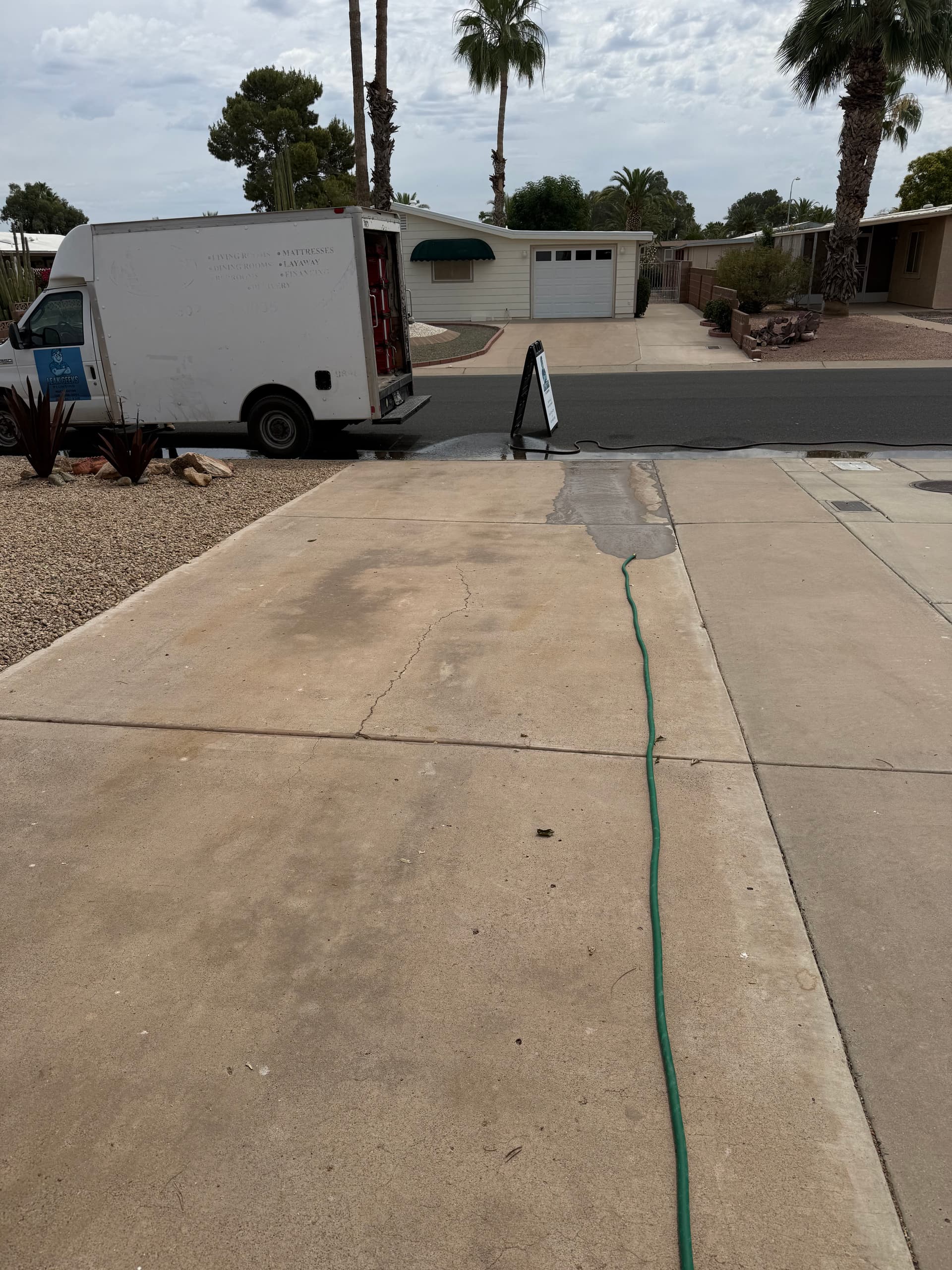
Flushing the water heater clears out that accumulated sediment and gives the unit a clean slate. It's one of those maintenance tasks that doesn't get a lot of attention until something breaks. Done regularly, though, it can meaningfully extend the life of the unit and protect the home from the kind of damage that leads to much bigger repair bills.
We also addressed the faucet situation while we were on-site. A cartridge that corroded looks harmless, but it's usually the reason behind a persistent drip or inconsistent water flow. Swapping it out is a straightforward fix - and one that stops a small annoyance from turning into a wasted water problem. Our leaky faucet repair work goes hand-in-hand with the kind of maintenance calls like this one, where hard water is doing damage across multiple fixtures at once.
If your water heater hasn't been flushed in a while, or you've got a faucet that won't quite stop dripping, those aren't things worth putting off - especially in an area where hard water is part of daily life.